Thursday, March 12, 2015

Working with Silhouettes

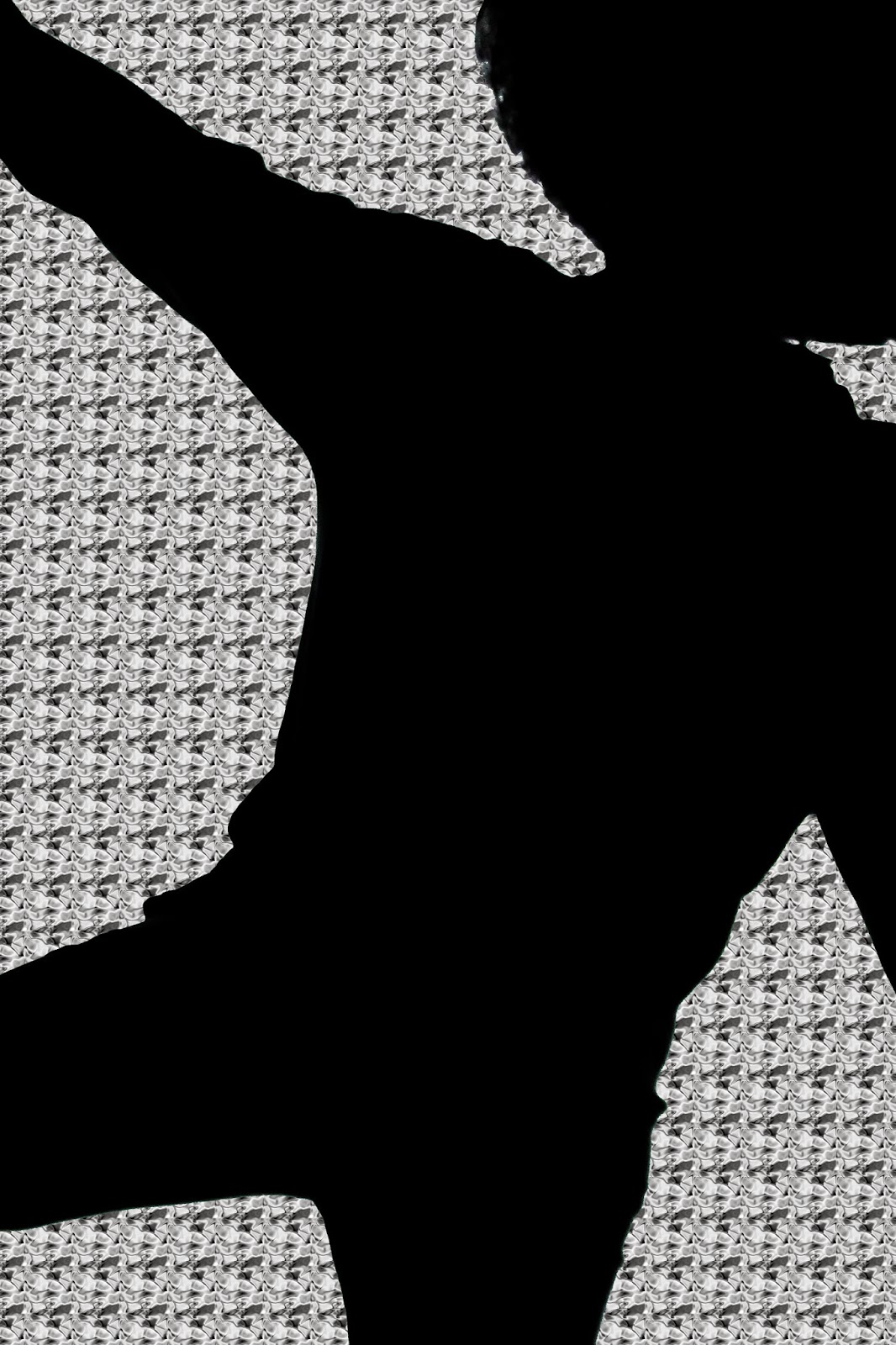
Pattern
Sold Color
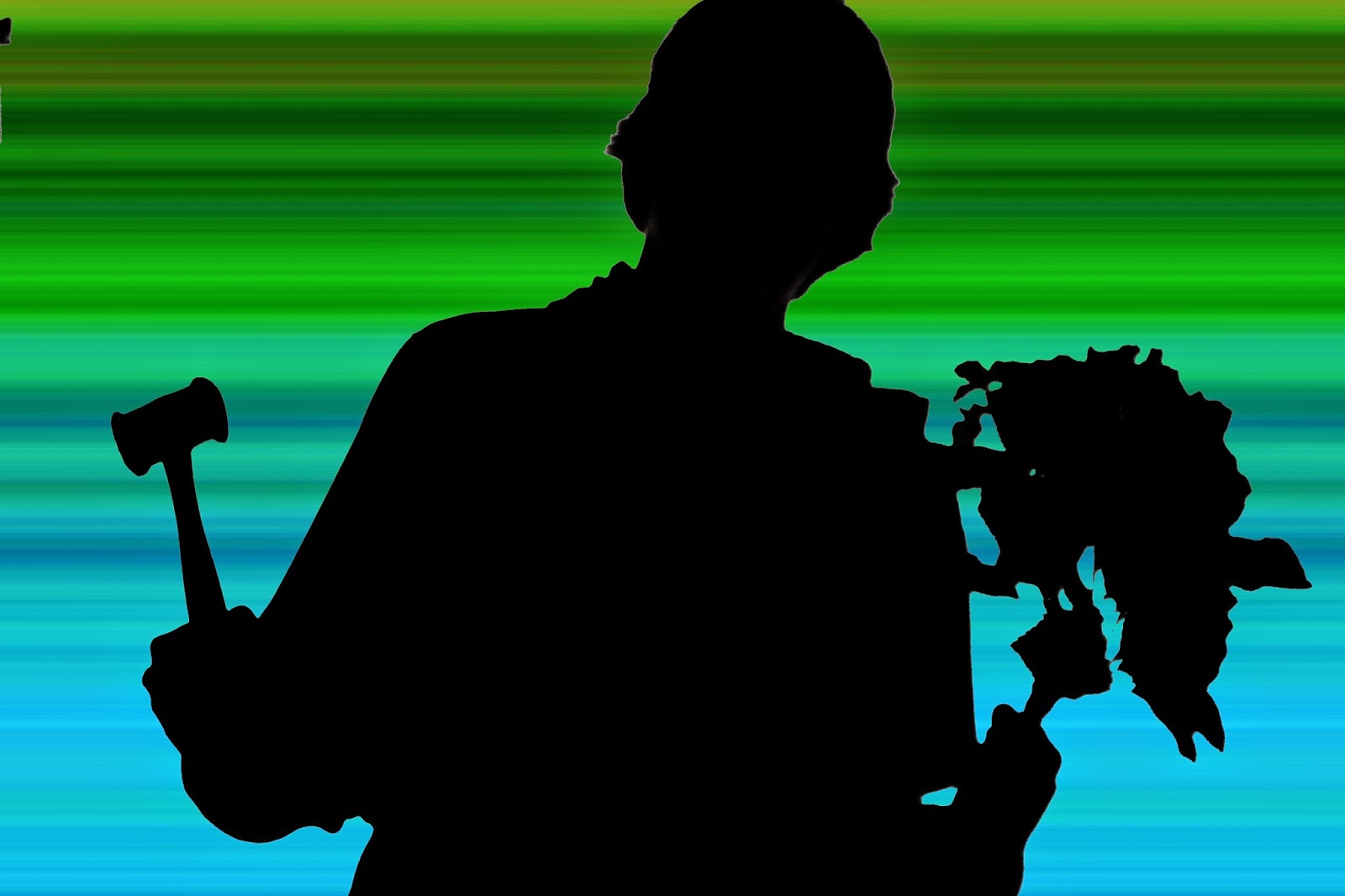
Gradient
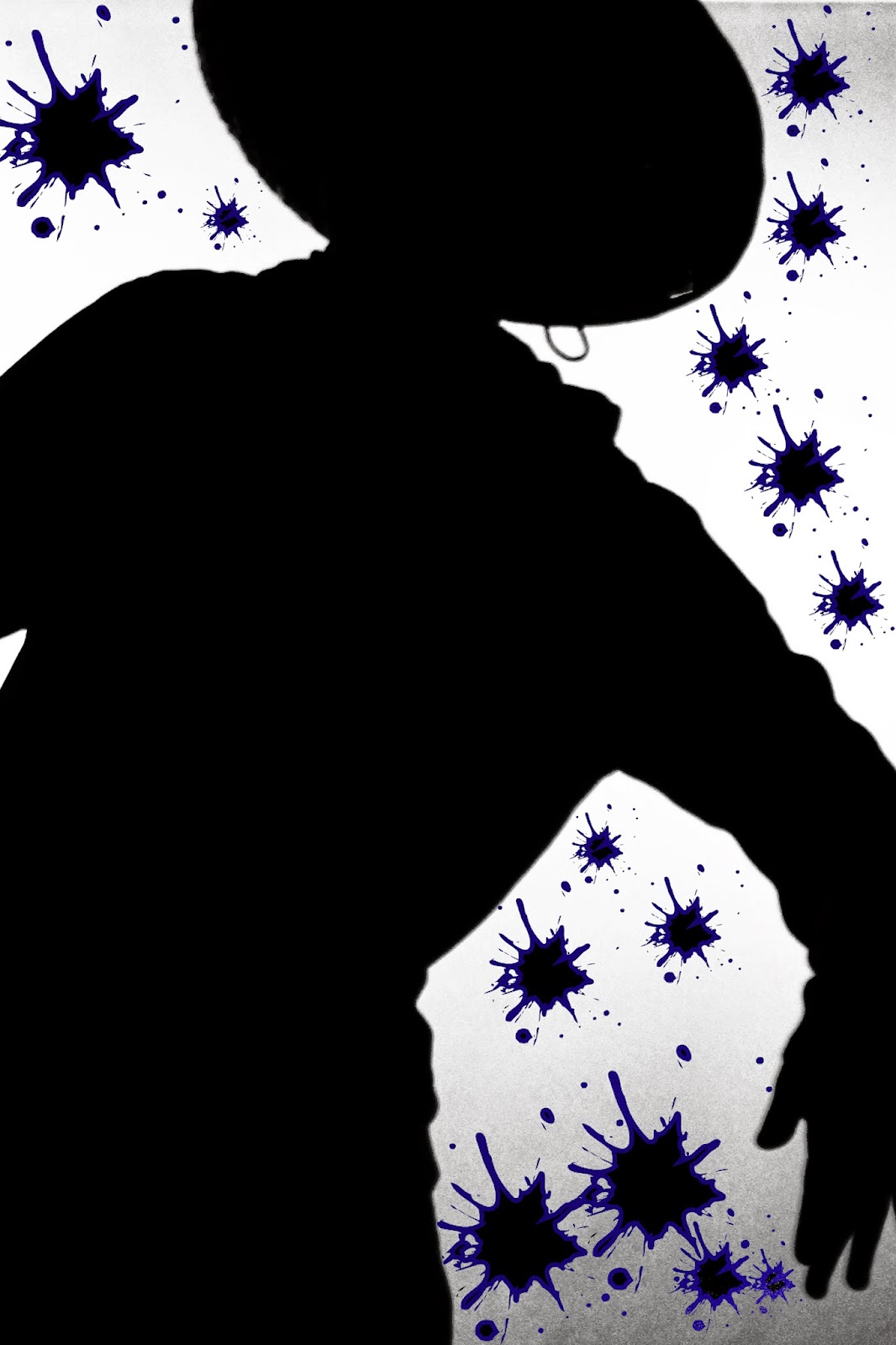
Shape
*Thoughts = My Thoughts on this non traditional way of taking Silhouettes is that I like it, but i like taking Silhouette pictures outside, then outside you have an option of the sunset being your background and not some Pattern or Gradient. I do like this way though because it allows you to work with a background and experiment with different colors.

*Photoshop = I enjoy what photoshop has to offer because of the different effects you can use to edit it a photo, like if you're persons eyes have a great color to them you can enhance them and make them even more detailed. I personally like photoshop because of the different backgrounds and things you can use, like patterns and shapes and colors.

*Thoughts of Outcome = I like the outcomes of my silhouettes, i think they turned out pretty well and i liked editing the pictures and making different backgrounds. I think my cropping could have been better but i personally like how they look, i think it makes them interesting.


Tuesday, March 3, 2015

Lighting

       Artificial Light (Multiple Sources)
Reflector

Hard
Soft


Artificial Light (Single Source)
Direct Light

Shade

Artificial Light (Single Source)
Butterfly
Split
Silhouette
Rembrant
Loop

Natural Light 

Shade 


Direct 

Existing Light

Front
45 Degree


Side

Back

*Reflection = Working with different types of lighting has taught me to work with my aperature and shutter speed and how the light meter doesn't exactly work, so you gotta stick it in their face to adjust it properly. Working with light has also taught me a way of taking pictures to resemble the model, by expressing yourself and not just standing still and acting bored or staring out into space.

*Success and Recommendation = My success with this project was doing the outside shots of the existing light. The studio lighting isn't exactly my strong suit because getting the correct lighting to hit the models face correctly can be challenging at times. I would recommend to just keep trying, if you don't get the pictures the right way, don't be afraid to go back and redo them, usually when you redo them they get better the second time around. 


Monday, February 2, 2015

Final Project Composition

Compositional Strategies (from top to bottom)
1.) Top left: Worms Eye View
2.) Top Middle: Birds Eye View
3.) Right Verticle: Rule of Thirds
4.) Bottom Left: Pattern (Wings on boots)
5.) Bottom Middle: Horizon Line

Importance:
The importance about these photos varies but each photo holds a special meaning in my life. Photo 1 is of my horse Figaro. I got him right off the racetrack and I'm training him all by myself. We've come to have a connection between each other in just the short 2 months that i've owned him. I plan to event him in the near future once he learned everything and starts showing me that he's ready to compete. My second photo is of my Saddle. My saddle is important to me because Ive had many wins on it and special moments with my horses. The third photo is my friend's boot when she is riding her horse. My friend is very important in my life because she is always there for me when i need her, and without her I don't know what i would do. We ride horses together and she's just a great person to be around.The fourth photo of my barn hold importance to me because every morning I get to wake up with my barn out my window and I get to see my horses every day, without my horses I wouldn't be the person I am today. The fifth photo is of the sunset on my road. This is important to me because it just resembles peace, and tranquility in my life. It's such a calming effect to watch the sun go down and see the colors that the sky shows. 

Compositional Strategies: (from top to bottom)
1.) Left Verticle: Texture
2.) Top Middle: Emphasis
3.) Top Right: Unity
4.) Bottom Middle: Rule of Thirds
5.) Bottom Right: Simplicity

Importance:
 The importance about these photos varies but each photo holds a special meaning in my life. The first photo (left vertical) is special to me because, it's my first truck and i'm forever grateful to my parents who went out of their way to get her for me. The second photo is of my old horse's name plate, Opie. Opie hold a very very special place in my heart because he was my first horse and we sadly had to sell him due to him injuring himself. The third photo is of the sunrise on my farm. My farm is very important to me, mainly because it has always been one of my dreams to own a farm, and now for three years my dream has and still is coming true. The fourth photo is of my dog, Buddy. Buddy is my second dog and we saved him from the kennel when he was 2, therefore he is important to me because he is like my guard dog. My fifth photo is of my horse Mo. Mo is my second horse and this is the horse that is going to take me to the top of the circuit. But he's not only my team-mate he's my family, without this horse I wouldn't be the rider and person i am today.


Tuesday, December 2, 2014

Elements and Principles of Photography

Horizon Line
Definition: Expanding the foreground to help extend the range of background and get the "horizon"
Explanation: Horizon line is ones eye level picture, by drawing one line perpendicular to the ground.
Horizontal Lines
Definition: Horizontal Line goes straight across, they also give a sense of calm and relaxed.
Explanation: Horizontal Lines go across a surface in a straight line, whether high above or down below.
Proportion/scale
Definition: Proportion is the relative size and scale is the size of elements of what they are being compared to.
Explanation: Proportion is achieved by choosing an angle or view that is dramatic, extreme, or unexpected. 
Symmetrical Balance
Definition: When one or more identical or similar subjects are repeated are symmetrical on each side of a given point.
Explanation: Symmetrical balance is often recognized by subjects that are in uniform in shape.

Diagonal Lines
Definition: Diagonal lines work in the way of drawing a persons eyes through the photograph.
Explanation: Diagonal lines are often used to achieve a strong impression of movement and create a tremendous sense of depth.
Curved Lines
Definition: Curved lines add beauty and grace to a photo, and used as a popular design for leading the eye into the frame.
Explanation: Curved Lines allow the eye to explore an image in a smooth, free-flowing manner. 
Leading Lines
Definition: Leading lines in a image lead the eye to another point in the image, or sometimes out of the image.
Explanation: Leading lines are an easy way for the eye to follow through different elements of a photo.
Unity
Defintion: Unity is all elements of a piece combine to make a balanced, harmonious,  complete whole.
Explanation: Taking parts of a picture and combining them together to unify them as a better whole.

Variety
Definition: A way of combining elements in involved ways to achieve intricate and complex relationships.
Explanation: Variety is achieved by the use of diversity and using different hues, texture, and shapes.

Asymmetrical Balance
Definition: When one or more dissimilar elements are balancing on each side of a given point.
Explanation: If you have 1 large image it should be counterbalanced by a smaller object.
Birds Eye View
Definition: Birds eye view is an elevated view of an object from above looking down.
Explanation: Views are distinguished from direct observation at high locations.

Vertical Lines
Definition: Most powerful lines in visual art, they come with a feeling of strength, height, and integrity.
Explanation: Scanning with our eyes from left to right horizontally, vertical lines are good at complimenting them.
Emphasis
Definition: Emphasis is the area of a photo of which first catches the attention from the eye.
Explanation: Focusing on one point of a picture and blurring out the rest gives great emphasis and draws attention.
Movement/Rhythm
Definition: A movement of which elements reoccur regularly, and the path of which the viewers eye takes from the photo.
Explanation: Movement and rhythm adds excitement to a photo, and directs the viewers eye through the picture.
Repetition/Pattern
Definition: Repetition and pattern give an impression of largeness and appealing.
Explanation: Filling the farm while capturing repetition and pattern is a good way to make the photo appealing.
Worm's eye view
Definition: Viewing an object from the ground as though the observer were a worm.
Explanation: Worms eye view is usually used commonly for third perspective.
Rule of Thirds
Definition: Placing points of interest in the intersections or along the lines that you photo becomes more balanced.
Explanation: With the rule of thirds imagine breaking an image down into thirds so that you have 9 parts.
Framing
Definition: Drawing attention to the subject of your image by blocking other parts of the image with something in the scene.
Explanation: Framing brings more depth to a picture and a better focus on what the main subject is in the picture.
Simplicity
Definition: Keeping things simple in a photo is a good way to bring peace and comfort into a photo.
Explanation: Look for uncomplicated background and don't keep focus on objects that are out of the picture that will draw attention away from the main subject.
Texture
Definition: Texture helps emphasis the features and details in a photo.
Explanation: Texture can be used to give realism and character to a picture and may be even be the subject in the picture.